Views: 148 Author: Site Editor Publish Time: 2026-08-20 Origin: Site
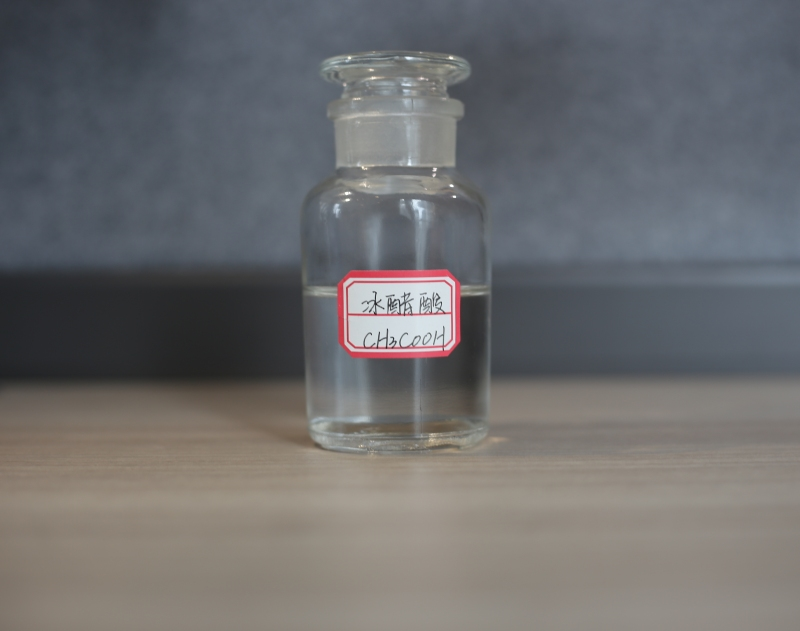
At the heart of global manufacturing lies a powerful, high-purity chemical intermediate. This clear, colorless liquid drives the production of everything from everyday plastics to advanced pharmaceuticals. We know it as glacial acetic acid, boasting a purity level exceeding 99.5 percent.
While this chemical remains ubiquitous across industrial sectors, sourcing it presents unique procurement hurdles. You must navigate strict purity specifications, temperature-controlled logistics, and stringent safety compliance. Failing to secure the exact right grade can devastate production margins and ruin entire manufacturing yields. You cannot afford arbitrary sourcing decisions when handling highly reactive materials.
This article provides an evidence-based framework for evaluating your sourcing strategy. Procurement teams, chemical engineers, and compliance officers will learn to match purity grades to specific use cases. We will also explore essential supplier capabilities and handling protocols to protect your operations. You will walk away with actionable insights to optimize your chemical supply chain.
Versatility in Production: Essential for synthesizing Vinyl Acetate Monomer (VAM), Purified Terephthalic Acid (PTA), and various industrial solvents.
Grade Selection is Critical: Industrial, food, and pharmaceutical grades have strict impurity limits; selecting the wrong specification risks entire production batches.
Handling Realities: "Glacial" refers to its high freezing point (16.7°C / 62°F); bulk storage requires temperature-controlled infrastructure to prevent crystallization.
Supplier Evaluation: Qualified sourcing demands rigorous vetting of bulk transit capabilities, ISO certifications, and transparent Certificates of Analysis (CoA).
Modern industry relies heavily on fundamental building blocks. High-purity chemical intermediates dictate the success of countless downstream products. You will find this compound at the center of major synthesis processes. It acts as both a reactive raw material and a highly effective solvent. We can categorize its primary applications into three main industrial sectors.
Chemical manufacturing consumes the vast majority of global supply. Facilities use it to synthesize secondary chemicals. These secondary chemicals then form the basis of commercial goods.
VAM Production: Vinyl Acetate Monomer (VAM) relies entirely on this acid as a base raw material. Manufacturers react it with ethylene and oxygen. The resulting VAM becomes crucial for producing polyvinyl acetate. Industries use polyvinyl acetate extensively in commercial adhesives, industrial paints, and flexible packaging films. Without a steady supply of high-purity acid, VAM production lines halt immediately.
PTA Production: Purified Terephthalic Acid (PTA) represents another massive consumption channel. In this process, the acid functions as a critical catalyst solvent. It facilitates the oxidation of paraxylene into PTA. PTA then serves as the primary building block for PET resins. You interact with PET daily through synthetic polyester fibers and clear plastic water bottles. The solvent must maintain strict purity to prevent catalyst poisoning during synthesis.
Acetic Anhydride & Acetate Esters: Dehydrating the acid yields acetic anhydride. Manufacturers use this anhydride to produce cellulose acetate. Cellulose acetate features prominently in textile manufacturing and photographic films. Furthermore, reacting the acid with various alcohols produces acetate esters. Ethyl acetate and butyl acetate serve as vital industrial solvents. They offer excellent solvency for resins and polymers in commercial applications.
The global textile industry demands precise chemical controls. Fabric processing requires environments optimized for dye absorption and fiber integrity.
This chemical acts as a superior neutralizing agent. After alkaline treatments like mercerization, fabrics retain high pH levels. Operators introduce the acid to lower the pH safely. It serves as a gentle yet effective pH regulator throughout various wet processing stages. It prevents fabric degradation while preparing materials for subsequent treatments.
Additionally, it functions as a critical fixative for dyes. Commercial textile scaling requires consistent colorfastness. The acid helps bind dye molecules to synthetic and natural fibers. It ensures colors remain vibrant after repeated industrial washing. You will often see it utilized in the exhaustion dyeing of polyester and nylon blends.
Industrial coatings require highly engineered solvent systems. Formulators must balance drying times, viscosity, and film formation.
The acid functions as a volatile solvent within these formulations. It controls evaporation rates during the curing process. By managing how quickly the coating dries, it prevents surface defects like blistering or orange peel. It also modifies the viscosity of industrial adhesives. This modification allows for smoother mechanical application on high-speed assembly lines. Formulators depend on its consistent evaporation profile to guarantee reliable end-user performance.
Not all chemical supplies deliver the same operational results. You must align the purity grade precisely with your manufacturing intent. Selecting an inappropriate grade introduces severe operational risks. You might face contaminated end-products or inflated procurement budgets. Understanding the distinction between available grades remains a fundamental procurement responsibility.
Heavy manufacturing usually relies on technical or industrial grade specifications. This grade balances chemical efficacy with economic realities.
Success Criteria: The primary goal here is cost-efficiency. Large-scale synthesis operations require massive volumes. Trace impurities in this grade typically do not impact the final structural integrity of bulk plastics or commercial textiles. You optimize your budget by avoiding unnecessarily purified batches.
Evaluation Dimensions: When reviewing industrial grade specifications, closely monitor water content. Suppliers typically guarantee moisture levels below 0.5 percent. High water content can disrupt sensitive catalytic reactions. You must also evaluate heavy metal limits. Iron and chloride trace amounts can accelerate equipment corrosion over time. Procurement teams should mandate strict upper limits for these specific contaminants.
Human consumption and medical applications demand entirely different standards. These sectors operate under intense regulatory scrutiny.
Success Criteria: Absolute regulatory compliance defines success here. You use these grades as acidulants, food preservatives, or pharmaceutical solvents. Any deviation from pharmacopeia standards can trigger catastrophic product recalls. The chemical must perform its function without introducing toxicological risks to consumers or patients.
Evaluation Dimensions: Quality control teams perform strict verification of dangerous impurities. They test aggressively for lead, arsenic, and mercury. Furthermore, they measure non-volatile residues to ensure complete evaporation without leaving harmful deposits. Purchasing these grades requires comprehensive audit trails. You must trace the product back to a certified, inspected manufacturing facility.
Grade Classification | Minimum Purity | Max Water Content | Key Contaminant Limits | Primary Use Cases |
|---|---|---|---|---|
Technical / Industrial | 99.5% | 0.5% | Iron, Chlorides | VAM, PTA, Solvents, Textiles |
Food Grade (FCC) | 99.8% | 0.2% | Lead, Arsenic, Heavy Metals | Food preservation, Acidulants |
Pharmaceutical (USP) | 99.8% - 99.9% | 0.1% | Non-volatile residues, Arsenic | Active pharmaceutical ingredients |
Procurement teams need a systematic approach to grade selection. You must cross-reference your specific process yields against a supplier's Certificate of Analysis (CoA).
Map Process Sensitivities: Identify which impurities actively harm your specific catalyst or end-product.
Review Baseline CoAs: Compare prospective supplier CoAs against your sensitivity map.
Avoid Over-Specifying: Do not demand pharmaceutical grades for basic polymer synthesis. This mistake wastes critical budget.
Avoid Under-Specifying: Do not accept industrial grades for food packaging films if trace metals migrate. This oversight risks product safety.
Establish Tolerances: Set maximum acceptable variances for water content and communicate these directly to the supplier.
Securing the right purity grade solves only half the procurement equation. Handling this chemical introduces immediate physical and environmental challenges. You must engineer your facilities to manage its unique physical properties. Facility managers must prioritize temperature stability, material compatibility, and human safety protocols.
The term "glacial" highlights a defining physical characteristic. It relates directly to how the chemical behaves in standard environments.
Physical Reality: This pure chemical freezes at 16.7°C (62°F). In many climates, this represents standard room temperature. When the ambient temperature drops below this threshold, the liquid solidifies into ice-like crystals. The material expands slightly as it freezes, creating intense internal pressure within enclosed systems.
Infrastructure Requirement: You cannot store this material in standard, unheated tanks. Bulk storage facilities must install specific temperature-control infrastructure. You must utilize heat-traced transfer lines. Bulk tanks and Intermediate Bulk Containers (IBC totes) require heavy thermal insulation. If you neglect these requirements, pipeline blockages will occur. Crystallization halts production and creates severe safety hazards during thawing procedures.
High-purity acids exhibit aggressive corrosive tendencies. They attack standard industrial metals rapidly.
The chemical proves highly corrosive to standard carbon steel. It also degrades cast iron, brass, and certain low-grade plastics. If you pump it through incompatible piping, the acid will dissolve the metal. This reaction introduces iron contamination into your product and eventually causes catastrophic pipeline failures.
Required Materials: Engineering teams must specify correct metallurgical standards. Storage systems must utilize high-grade stainless steel. Industry standards dictate the use of 316L stainless steel for tanks and piping. 316L contains molybdenum, which strongly resists specific acid attacks. Alternatively, facilities can use high-purity aluminum or specialized fluoropolymer linings (like PTFE) for valves and gaskets.
Protecting facility personnel remains a non-negotiable priority. The chemical presents multiple exposure risks that require engineered defenses.
Vapor Management: The liquid emits pungent, highly irritating vapors. These vapors pose severe respiratory hazards to operators. Furthermore, heated vapors present distinct flammability risks in enclosed spaces.
Engineering Controls: Facilities must install local exhaust ventilation near all transfer points. Scrubbers should capture and neutralize off-gassing.
Secondary Containment: Storage tanks must sit within chemically resistant secondary containment dikes. These structures capture accidental ruptures before they reach municipal drains.
PPE Enforcement: Operators handling the liquid must wear rigorous Personal Protective Equipment. Mandatory gear includes splash-proof chemical goggles, face shields, and heavy-duty butyl rubber gloves.
Transitioning from technical evaluation to commercial procurement requires strategic foresight. You need suppliers who understand the logistical realities of high-purity chemicals. A supplier might offer excellent pricing, but fail at safe delivery. You must evaluate their physical supply chain capabilities alongside their quality assurance frameworks.
Facility throughput dictates your ideal packaging requirements. Suppliers must accommodate your specific volume demands seamlessly.
First, assess their packaging options. Low-volume users might require 55-gallon High-Density Polyethylene (HDPE) drums. Mid-tier facilities often utilize 275-gallon IBC totes equipped with internal heating coils. High-volume continuous manufacturing plants demand ISO tanks or dedicated bulk tanker trucks. Your chosen supplier must demonstrate proficiency in loading and securing your required format.
Second, review their winterization protocols. Cold-weather transit introduces massive risks. If a truck drives through freezing temperatures for three days, the product will arrive crystallized. Ask suppliers how they manage transit temperatures. Do they use insulated tanker trailers? Can they guarantee arrival temperatures above 20°C? You must verify these logistical capabilities before signing annual contracts.
Consistent manufacturing requires consistent raw materials. You must vet a supplier's internal quality management systems.
Demand current ISO 9001 and ISO 14001 certifications. These documents prove they maintain standardized production and environmental controls. You must also insist on batch-level traceability. If a downstream defect occurs, you need the ability to trace the specific chemical batch back to its production date and reactor.
Furthermore, verify the consistency of their supply network. Evaluate whether the supplier acts as a primary manufacturer or merely a distributor. Primary manufacturers often offer greater pricing stability and supply security. Finally, assess their geopolitical supply chain redundancies. Can they source raw feedstocks from multiple regions if local disruptions occur? Redundancy prevents your production lines from starving.
Never commit to multi-ton procurement contracts blindly. You must validate the supplier through controlled testing.
Establish strict pilot testing protocols. Request physical batch samples for your laboratory to analyze. Demand sample Certificates of Analysis (CoAs) and updated Material Safety Data Sheets (MSDS) for review. Only after your chemical engineers validate the physical sample against the provided CoA should you initiate commercial-scale purchasing.
Sourcing glacial acetic acid is not merely a transactional purchase; it requires aligning chemical applications with stringent infrastructure and compliance realities. You must navigate purity specifications carefully to protect your manufacturing yields while optimizing your procurement budget. The unique physical properties of the chemical demand specialized temperature-controlled storage and highly specific metallurgical compatibility.
We recommend prioritizing suppliers who offer more than just competitive per-ton pricing. Look for partners providing robust logistical support, transparent quality documentation, and proven handling expertise, especially regarding winter transit. Establish firm pilot testing procedures before finalizing long-term agreements.
Take action today to secure your supply chain. Download a detailed technical specification sheet for your required grade. Contact your technical sales team to request a batch sample and initiate discussions regarding your specific bulk sourcing requirements.
A: Standard versions are typically diluted with water. For example, household vinegar contains only 4-8% concentration. Glacial is highly refined, undiluted, and boasts a minimum 99.5% purity. It earns its specific name because it solidifies into ice-like crystals at cool room temperatures.
A: You must utilize specialized, temperature-controlled infrastructure. This includes heated bulk storage facilities, heat-traced transfer piping, and thermally insulated IBC totes. You must maintain ambient and internal material temperatures strictly above 17°C (63°F) to prevent dangerous crystallization.
A: A reliable CoA must list the exact assay percentage proving purity. It should also specify maximum water content (moisture), color grading (usually APHA), and exact heavy metal or chloride trace limits to ensure catalyst and equipment safety.
A: You must completely avoid standard carbon steel, cast iron, brass, and any strong oxidizing agents. The chemical is highly corrosive to these metals. Facilities must exclusively use 316L stainless steel, high-purity aluminum, or specific high-density plastics like HDPE.